

Conditions
Stroke (Cerebrovascular Accident – CVA)
An acute neurological condition caused by an interruption of blood flow to the brain, which can result in motor impairments, coordination difficulties, and reduced muscle strength.
Parkinson's Disease
A neurodegenerative disorder characterized by muscle rigidity, bradykinesia (slowness of movement), and balance impairments.
Paresis and Motor Deficits
Partial impairments of muscle function characterized by reduced strength and decreased voluntary motor control, commonly seen in neurological conditions.
Multiple Sclerosis
A chronic inflammatory disease of the central nervous system associated with muscle weakness, balance disturbances, and coordination problems.
Sprains and Dislocations
Injuries to joint structures that can cause instability and reduced mobility.
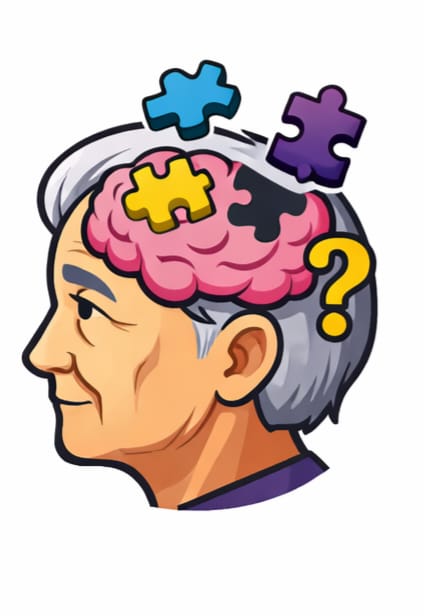
Dementia
A neurodegenerative disease that leads to memory loss, confusion, difficulties in thinking, and changes in behavior.
Fractures
Bone injuries that, after a period of immobilization, can lead to joint stiffness and reduced range of motion.
Orthopedic Surgery
The recovery period following surgical interventions (such as arthroplasty, ligament reconstruction, or osteosynthesis) requires progressive exercises to restore joint mobility, muscle strength, and overall functional capacity.